




oasis unani

About Unani

Unani: A Complete Healthcare System

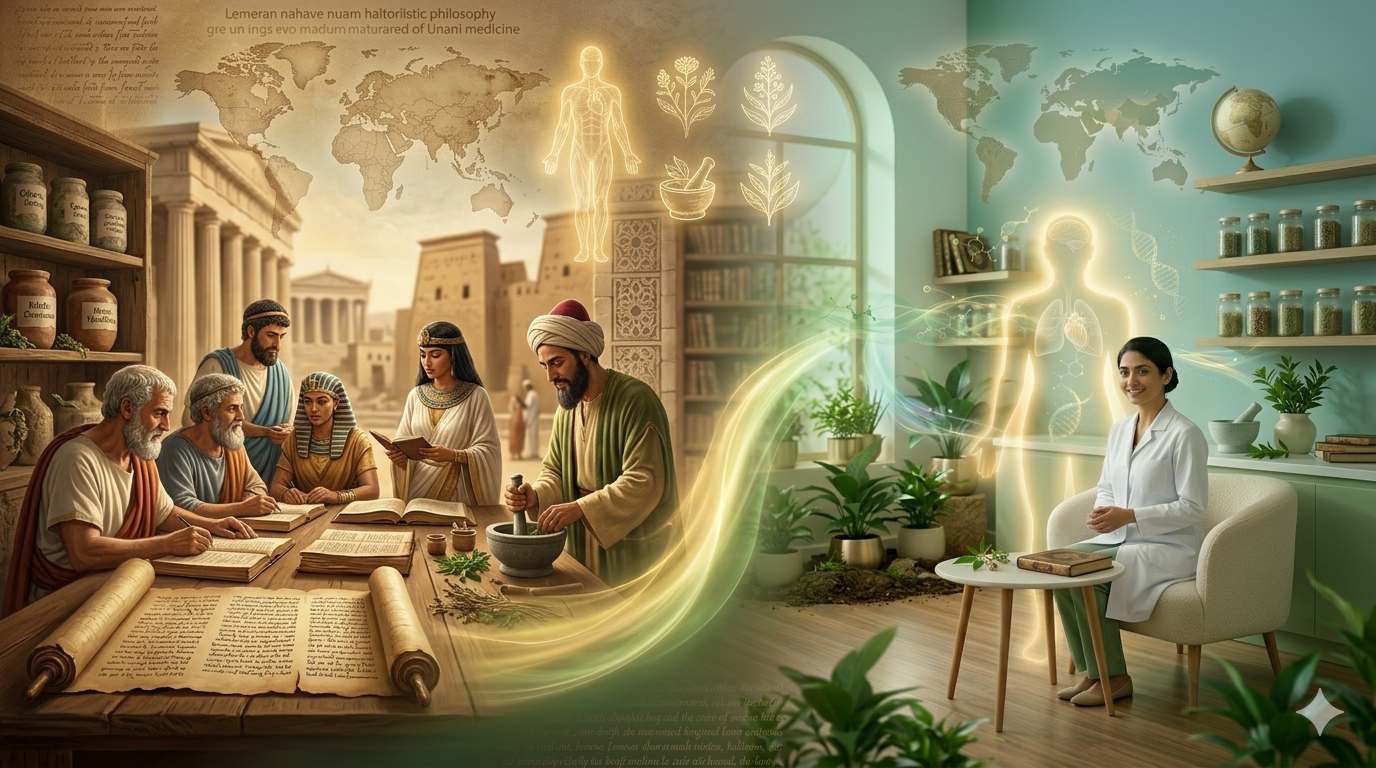
A Healthcare System of Civilizations

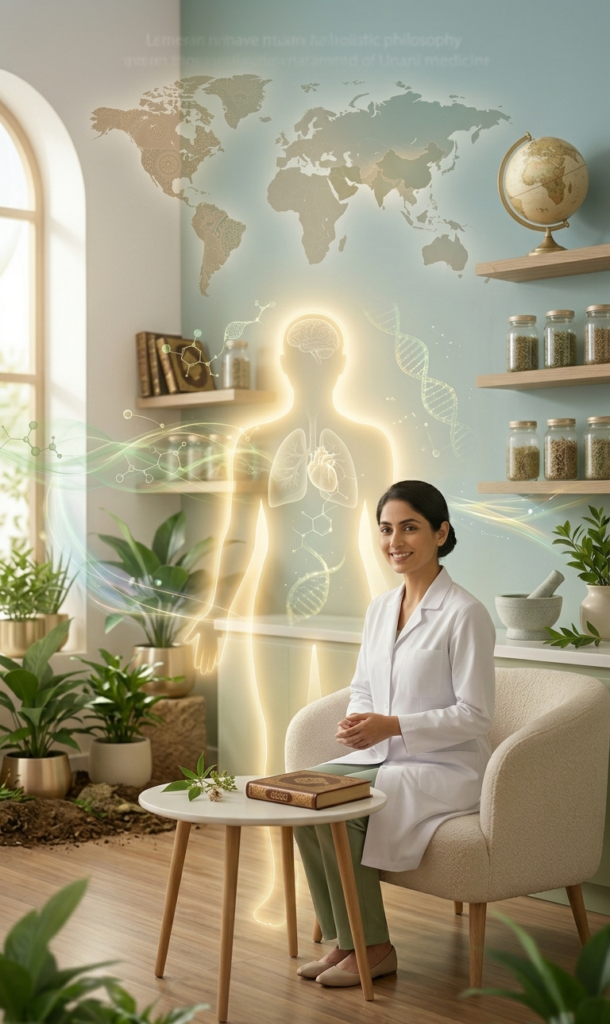
Introduction: The Unani System of Medicine is a Complete medical system, which meticulously deals with the various states of health and disease. It provides promotive, preventive, curative and rehabilitative healthcare. The fundamentals, diagnosis and treatment modalities of the system are based on scientific principles and holistic concepts of health and healing. Its holistic approach considers individual in relation to his environment and stresses on health of body, mind and soul.

The system is presently practiced in India, Bangladesh, Pakistan, Sri Lanka, Nepal, China, Iran, Iraq, Malaysia, Indonesia, Central Asian and Middle Eastern countries, some African and European countries, etc. In India, the system has been developed scientifically, nurtured and systematically integrated in the healthcare delivery system over the years.

The Unani System of Medicine offers treatment of diseases related to all the systems and organs of the human body. The treatments for chronic ailments and diseases of skin, GIT and liver, Musculo-skeletal and reproductive systems, immunological and lifestyle disorders have been found to be highly effective.

The Unani System Recognizes that every individual has unique characteristics at the Molecular, physiological, environmental, and behavioral levels. Because of these differences, the way a disease develops, progresses, and responds to treatment can vary from person to person. Therefore, medical interventions should not be generalized, but carefully tailored to suit each individual’s specific biological makeup, lifestyle factors, and health conditions.

History of Unani

The Unani System of Medicine is one of the world’s oldest organized healing traditions, with roots stretching back over more than 2,500 years. The word “Unani” is derived from “Yunan,” the Arabic name for Greece, reflecting its origins in ancient Greek medicine. From Egypt and Greece to the World The foundations of Unani were laid in ancient Egypt and Mesopotamia, where early physicians used medicinal plants and practiced surgical procedures. Greek scholars later refined this knowledge into a systematic science.

The foundation of modern medicine owes a profound debt to the discoveries, inventions, and scientific methods developed by Greek, Persian, and Arab Unani physicians. Their contributions transformed medicine from superstition-based practices into a rational, observation-based scientific discipline. Many of the principles, techniques, and medicines used today are directly derived from their work.

Hippocrates (460–370 BCE) – Father of Medicine

Hippocrates was the first physician to establish medicine as a scientific profession separate from superstition and religion.
Major Discoveries and Contributions:

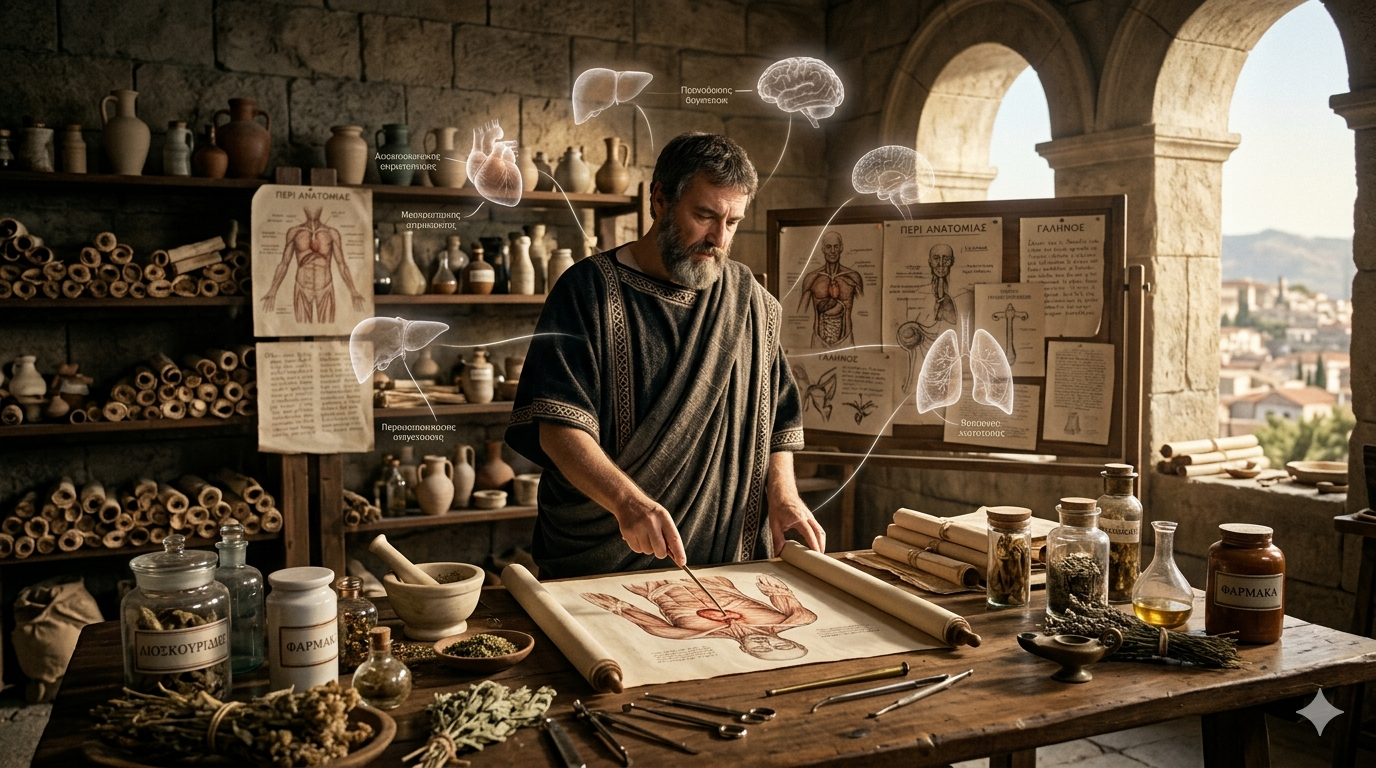
Galen (129–200 CE) – Founder of Experimental Medicine

Galen expanded Hippocrates’ work and introduced experimentation in medicine.
Major Discoveries and Contributions:

Avicenna (Ibn Sina, 980–1037 CE) – Father of Modern Clinical Medicine

Avicenna wrote The Canon of Medicine (Al-Qanun fi’l-Tibb), one of the most influential medical books in history.
Major Discoveries and Contributions:

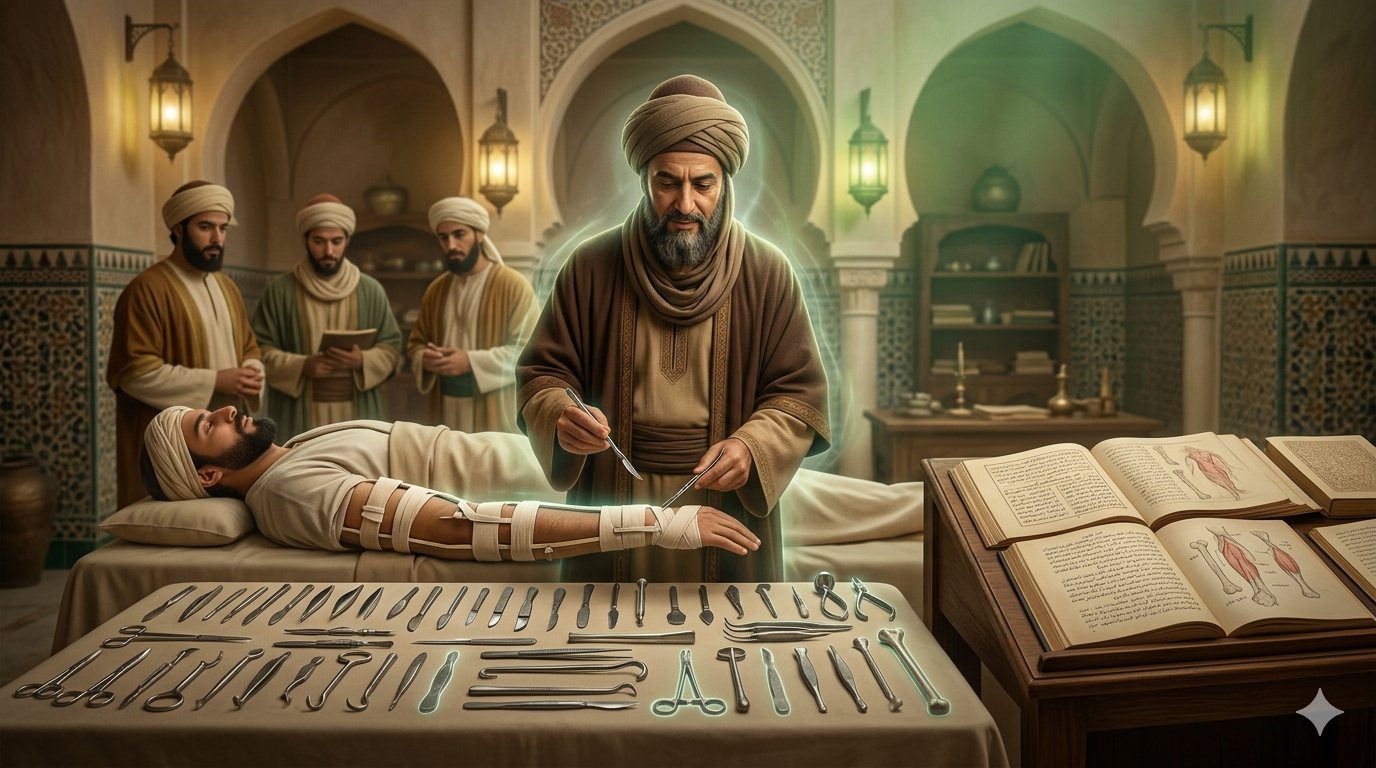
Al-Zahrawi (Albucasis, 936–1013 CE) – Father of Modern Surgery

Al-Zahrawi revolutionized surgery and invented many surgical tools still used today.
Major Discoveries and Inventions:

Al-Razi (Rhazes, 865–925 CE) – Pioneer of Clinical Medicine

Al-Razi was one of the greatest clinical physicians in history.
Major Discoveries and Contributions:

Modern Recognition and Development

After independence, the Government of India officially recognized Unani as part of the national healthcare system under the Ministry of AYUSH.
Today, Unani medicine is: Taught in universities (BUMS, MD, PhD programs)
Supported by research organizations such as CCRUM
Practiced in hospitals and healthcare centers
Integrated into national healthcare services
India is now considered the world leader in Unani medicine.

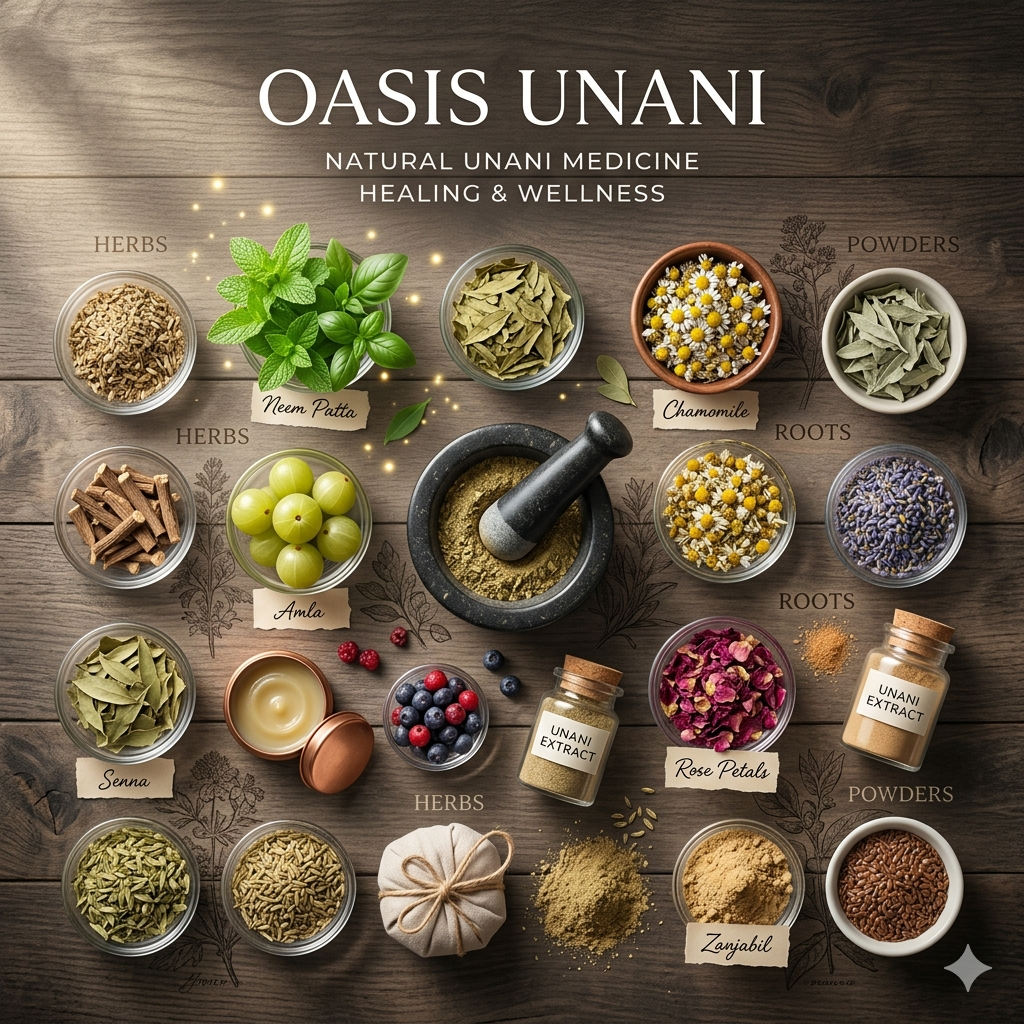
Sources of Unani Medicines

Unani medicines are primarily derived from
natural sources and prepared according to strict
pharmaceutic principles.
Sources of Unani Medicines.
Plant Origin.
Herbs.
Roots.
Leaves.
Flowers.
Fruits.
Seeds

Mineral Origin

Natural salts
Metals and mineral compounds (purified and processed safely)

Sources of Unani Medicines

Unani medicines are primarily derived from natural sources and prepared according to strict pharmaceutic principles.
Sources of Unani Medicines.
Plant Origin.
Herbs.
Roots.
Leaves.
Flowers.
Fruits.
Seeds

Animal Origin

Honey
Milk products

Forms of Unani Medicines

Unani medicines are prepared in various forms, including:

Medicines are classified according to their temperament and potency to ensure safe and effective treatment.

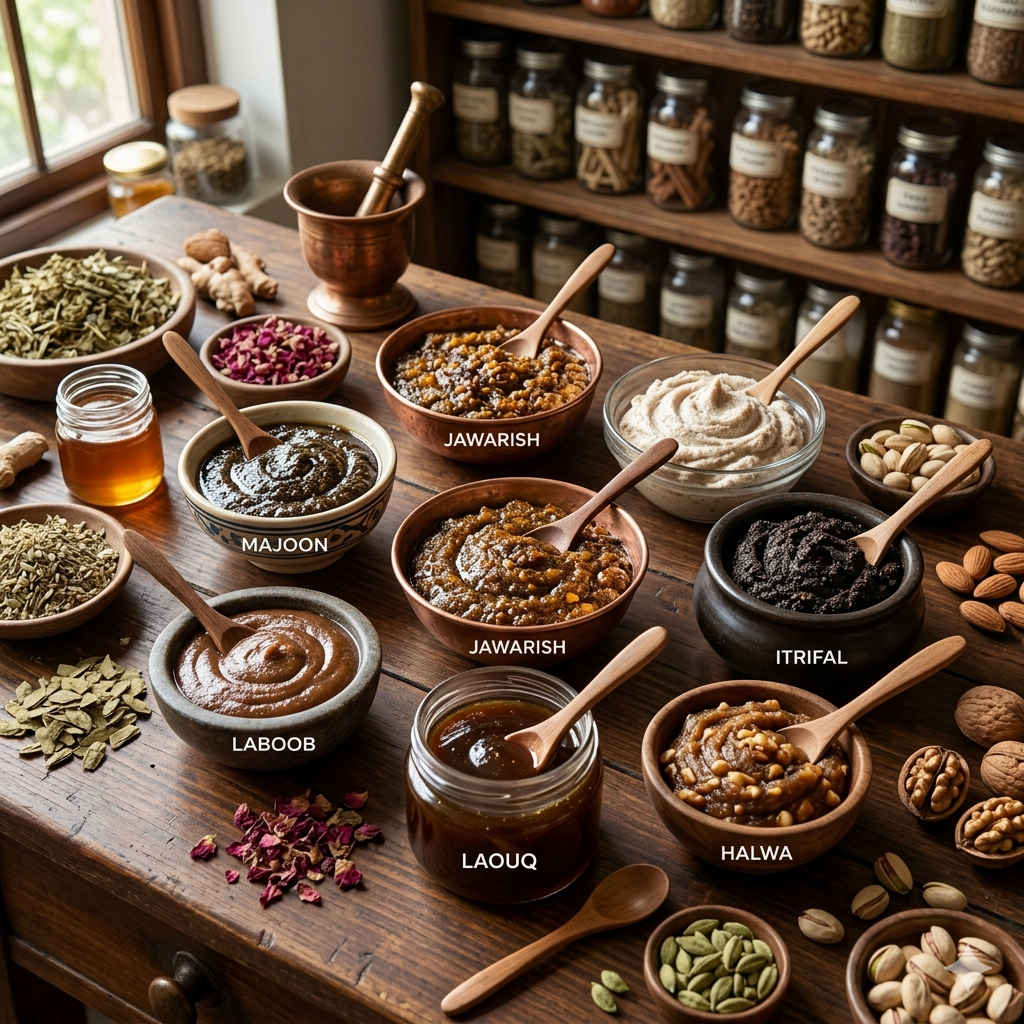
Semi Solid Paste of Different Consistency

Majoon, Jawarish, Khamira , Itrifal, Laboob., Laouq, Halwa

Liquid

Sharbat (Syrup), Arq (Distillate), Roghan (Medicated Oils), Khesanda (Boiled and Cooled Herbs Juice), Joshanda (Boiled Herbs Juice)
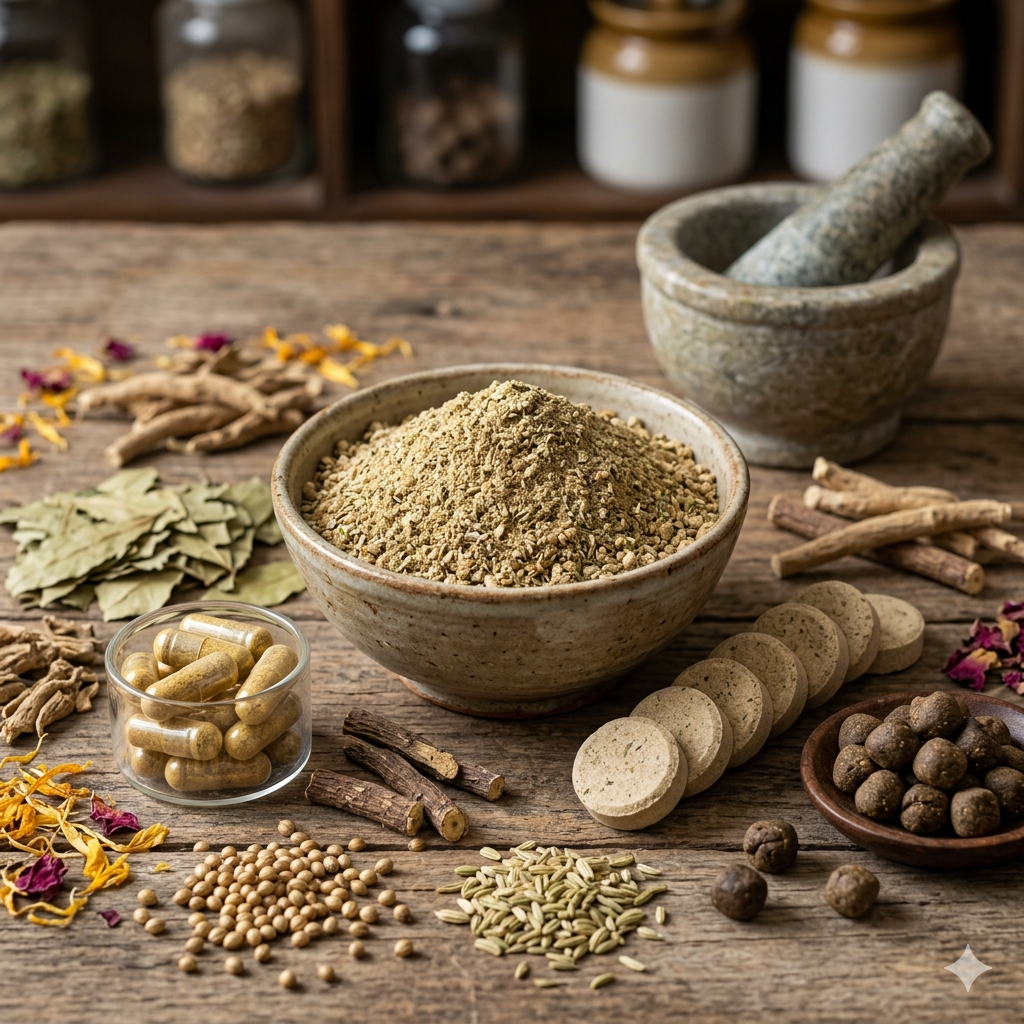
Solid

Safuf (Powder), Qurs (Tablets), Habb (Round Shaped Tablets), Capsules

Methods of Treatment:

There are four Major Methods of Treatment.

Regimental Therapy (Ilaj bil Tadbeer)

This includes physical therapies such as:
Hijama (Cupping therapy)
Massage & Steam bath
Leech therapy
Exercise

Dietotherapy (Ilaj bil Ghiza)

Diet plays an essential role in treatment. Proper diet helps restore and improve health The diet is personalized..
Diet is prescribed based on:.
Disease condition.
Temperament.
Digestive strength.
Pharmacotherapy (Ilaj bil Dawa)

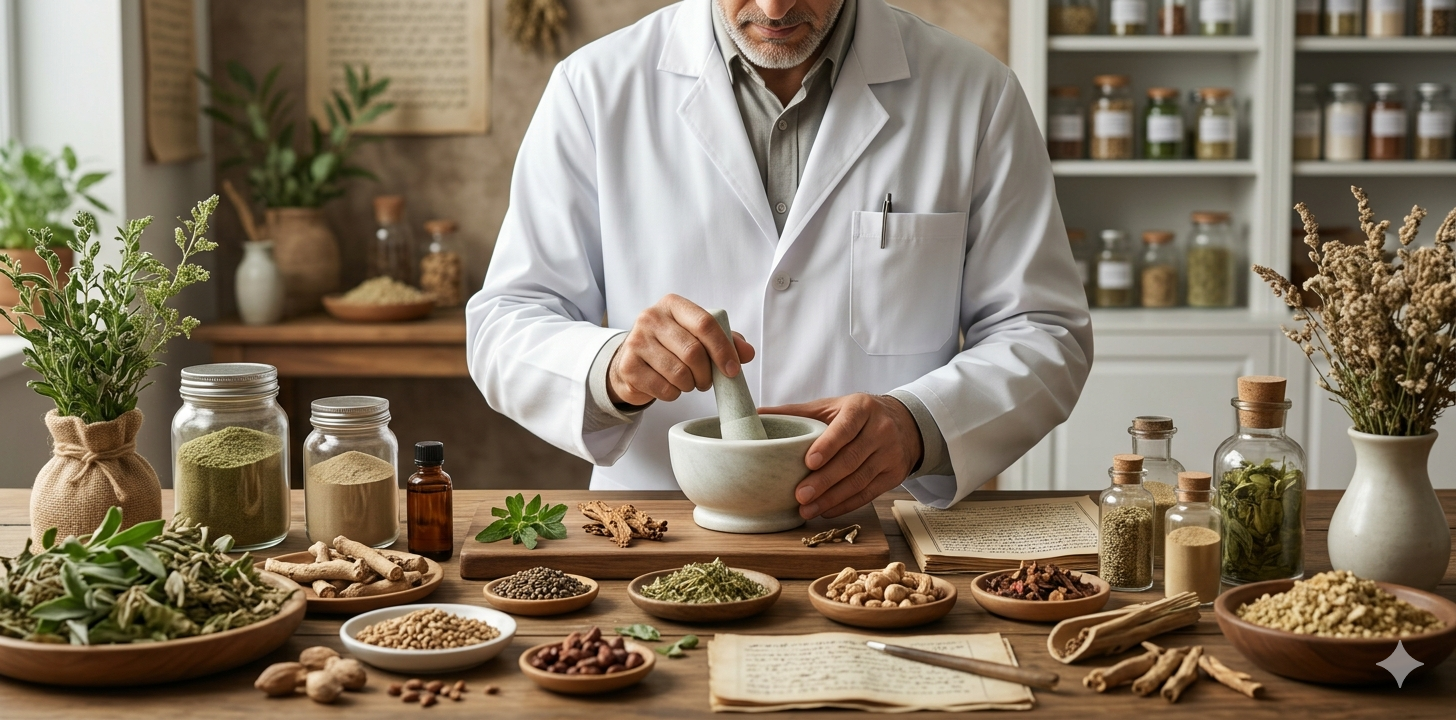
Treatment using natural herbal medicines prepared according to Unani pharmaceutic principles.

Surgery (Ilaj bil Yad)

Surgery is used only, when necessary, as Unani focuses primarily on natural healing.

For centuries, Unani medicine has served humanity across all levels of society. from ordinary people to the most powerful kings and emperors. Its effectiveness, safety, and natural approach made it the preferred system of healthcare in many great civilizations, including Greek, Persian, Arab, and Indian empires. Renowned physicians such as Avicenna treated rulers and nobility while also providing care principles that benefited the general population. In India, Unani physicians were appointed as royal court doctors during the Mughal era, serving emperors like Akbar and their families, while the same herbal medicines and therapies were widely used by common people due to their accessibility and affordability. Unani medicine earned this universal trust because it focused on treating the root cause of disease rather than just symptoms. Its ability to serve both royalty and the general public demonstrates its reliability, adaptability, and lasting importance as a complete healthcare system for all of humanity.

Scroll to Top